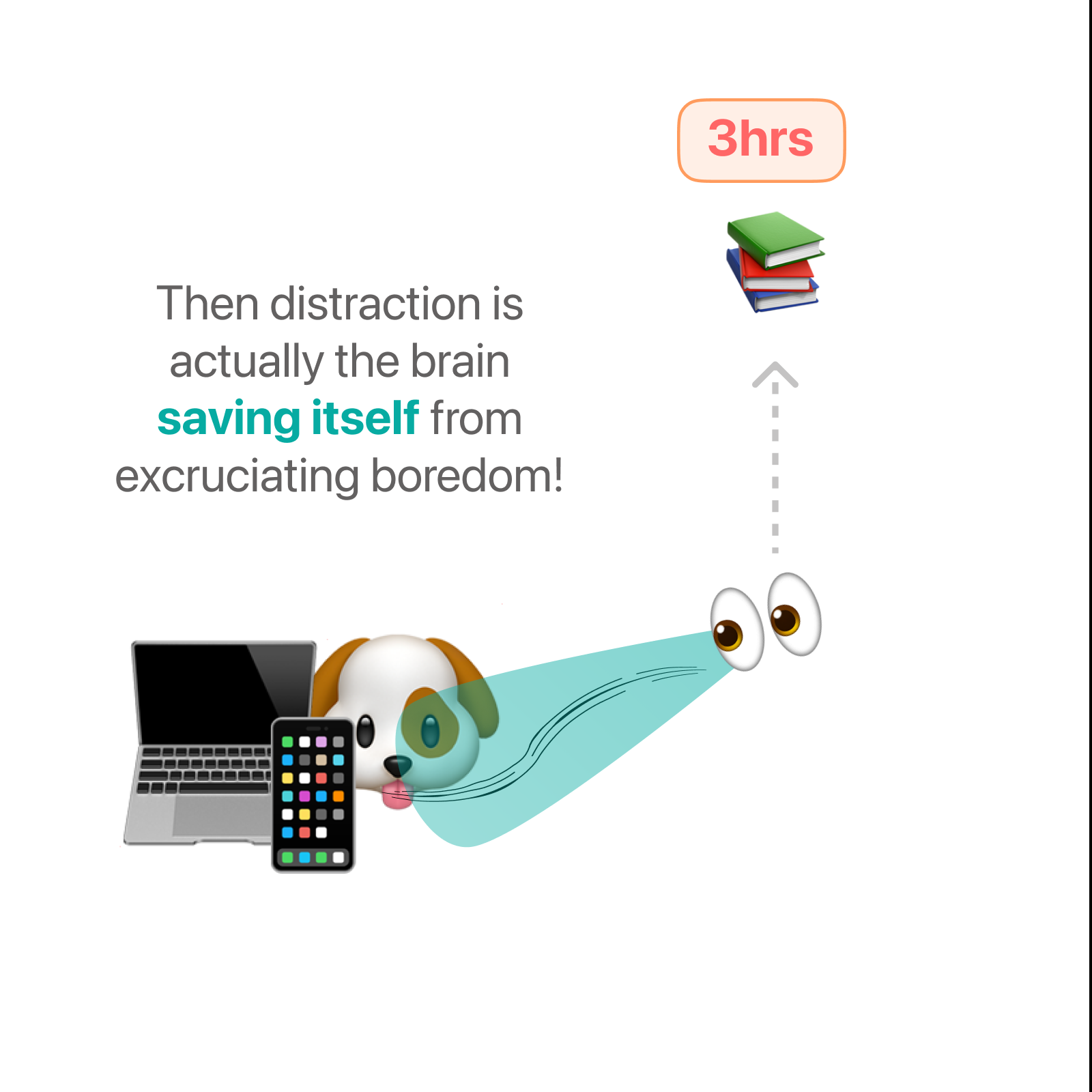
CCD: Canary. Coal mine. Delhi’s IIT.
“Canary in a coal mine,” often used in neurodivergent activism, is a metaphor for an early warning sign. Historically, miners used real canaries in coal mines because the birds were very sensitive to toxic gases like carbon monoxide. If the canary became sick or died, it warned miners that the environment was dangerous before humans noticed it.
In many ways, neurodivergent struggles can function as similar warning signs that a system itself may be unhealthy.
Below is an early warning that the system itself may be unhealthy.
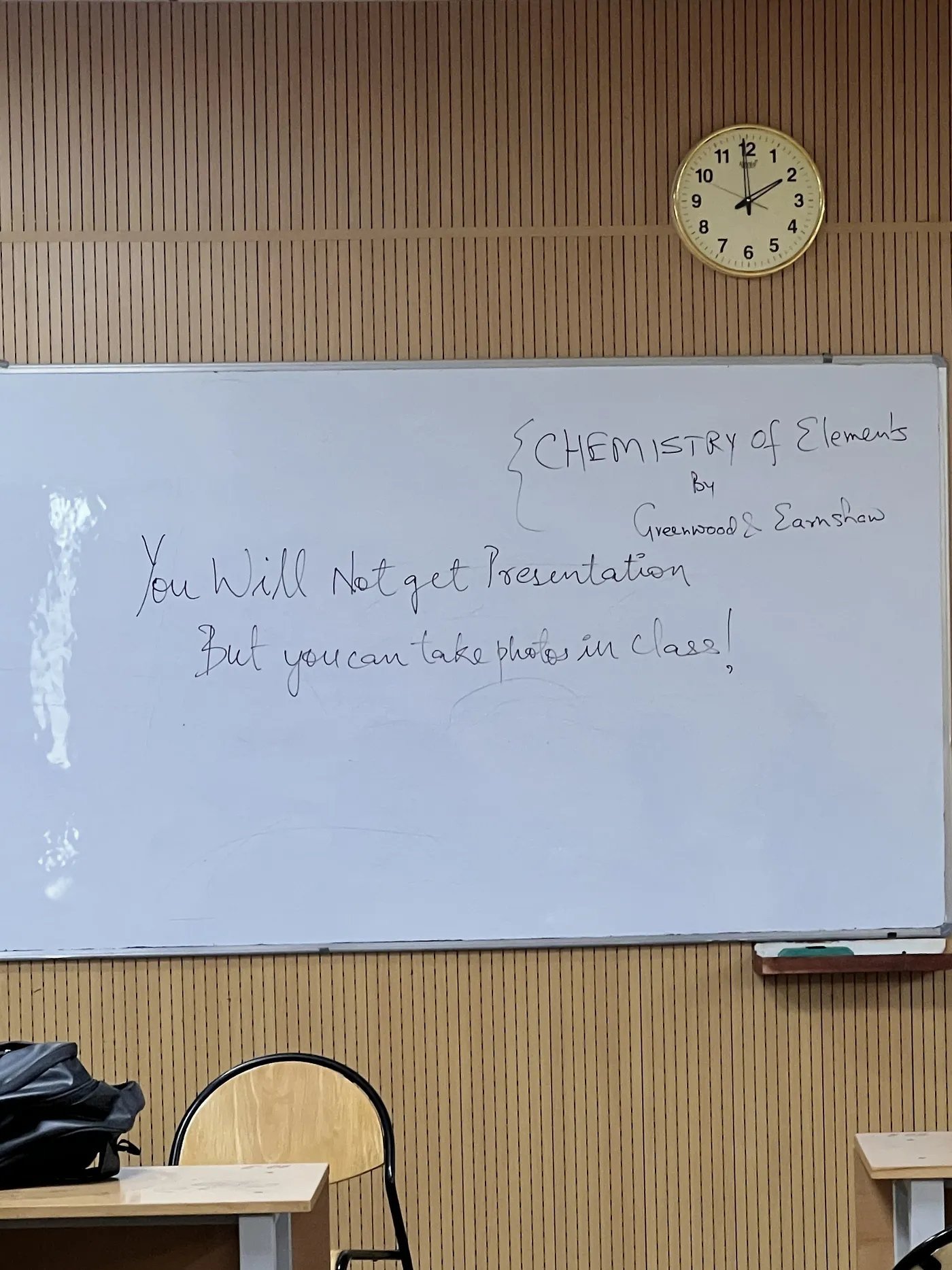
The picture was taken from a classroom opposite to ours. It says: “You will not get presentation, but you can take photos in class.” This is actually pretty common in STEM classes at Indian Institute of Technology Delhi.
While many counterarguments can be given for this, one thing genuinely confuses me. If students are allowed to take photos anyway, what exactly is the point of not sharing the presentation? What if someone is sitting on the back bench? What if they do not have a good camera? What if they process information slower and need to revisit the material later?
It’s such a small thing, but it says a lot about how casually accessibility gets dismissed. What struck me more was that just 10 minutes later, I was sitting in my Education and Society class. This is a place where I am usually very vocal about neurodivergent advocacy, and it suddenly hit me how much more work we still have to do.
Talking about neurodivergent struggles while simultaneously watching simple accommodations get dismissed starts to feel strange. If you already know you are the canary, then places like the IIT system can start feeling like a coal mine. It is an environment that quietly narrows the range of possible outcomes available to you.
I am interested in talking about how one survives in an unhealthy system. For me, the answer begins with education.
For example, a four-month assessment finally provided the answers to my years of doubts and questions, specifically ADHD and Autism. I immediately began my own education through psychoeducation, trauma-informed therapy, and medication. Three incredible women have guided me through over one hundred sessions since 2024 to help me understand my unique brain wiring. This was my true education, and it is the education that saved me from the coal mine.
While I tend to stop at this, people often press me with a different set of questions. When they ask if I am skipping my PG, which usually stands for Post-Grad, I smile and explain that for me, it means Personal Growth. To those who wonder about my education, I point to John Dewey’s belief that the ultimate value of any institution is its “distinctively human effect” on conscious experience. By that measure, I have gained my education. And when they finally claim I am simply dropping out, I borrow from Gandhi to tell them that I have instead just become free from its ill effects.
While every day and every non-logical rule presented a challenge, I would like to acknowledge the support I received from several faculty members:
Professor James Gomes, my Neuroscience professor, showed great care regarding my light sensitivity. I simply emailed him to explain that I am light sensitive and prefer that a few lights near the projector be turned off. Now, that is the first thing he does as soon as he enters the room. I also appreciated the understanding and compassion of Professor Madhulika Sonkar in my Education and Society class, who shared many kind compliments. Professor Kamlesh Singh, who taught Psychological Intervention, showed constant concern and provided regular reassurance regarding my accommodations. Additionally, the on-campus meditation sessions held by Professor Tanushree helped my hyperactive brain find a moment of pause. All of this was made possible by the immense support from Professor Tarak Karmakar.
I will end with a prayer that we were taught in childhood.
Baha do gyan ki ganga,
dilon mein prem ka sagar
Hame aapas mein mil-jul kar,
prabhu rehna sikha dena.
References
- Democracy and Education by John Dewey
- Hind Swaraj or Indian Home Rule by M. K. Gandhi
- My references to an unhealthy system are based on Systems Informed Positive Psychology, also known as SIPP.